Service Desk

OTC Tools Services Keep Welding and Abrasive Work Traceable

When a shop needs help choosing wheels, documenting consumables or routing a support question, the answer should be practical and recorded. OTC Tools organizes service around application review, technical documentation and distributor communication so purchasing teams and floor supervisors can work from the same facts.

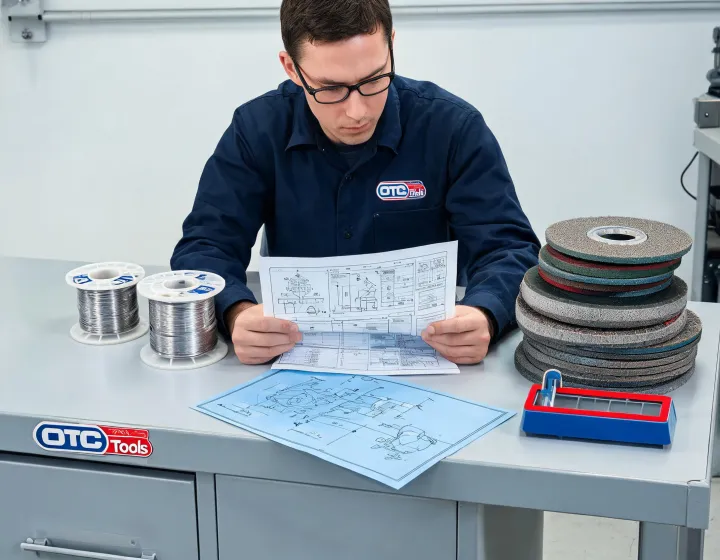
Technician reviewing abrasive and welding tool documentation

Support

Support paths for the questions that slow a quote.

Each service card is written for a real handoff point: a distributor needs a clean line card, a maintenance buyer needs a replacement route, or a fabrication supervisor needs a safer abrasive match.

01

Application Matching

Share base metal, thickness, finish target and current consumable. OTC Tools responds with a narrowed selection path that separates cutting, grinding, finishing and welding variables instead of treating the request as a generic catalog search.

02

Repair Intake Routing

For hand tools, welding accessories and shop fixtures that need attention, the service desk records model details, usage context and distributor information before suggesting the next support channel.

03

Calibration Review

Torque-related and measuring-adjacent tool requests are logged with tolerance expectations, usage frequency and documentation needs. The goal is a clear plan, not a vague promise that a tool can be checked later.

04

Distributor Documentation

Line cards, comparison notes and product availability questions are packaged for authorized sellers so the buying conversation stays focused on fit, quantity and lead time.

Embedded FAQ

Answers before the purchase order is released.

Service requests often arrive with partial information. The questions below help buyers prepare the details OTC Tools needs to compare abrasive behavior, welding setup or support documentation. Clear inputs shorten the back-and-forth and reduce the chance of ordering a wheel or consumable that looks close on paper but behaves differently under heat and pressure.

Send material, diameter, tool speed, current media, removal goal, finish requirement and any dust or heat concerns. These details let the service desk separate a cutting problem from a grinding or finishing problem.

Yes. OTC Tools can help organize product names, category notes and comparison logic so purchasing teams can repeat the same selection without rebuilding the explanation every month.

The request is classified by product family, model information, application context and urgency. From there the buyer receives the right contact path for distributor support, document review or technical guidance.

Before service structure

Requests often arrive as disconnected notes: a wheel photo, a partial model name, a deadline and a general comment that the previous consumable did not last. The buyer then waits while different teams interpret the problem in different ways.

  • Unclear base material and finish requirement.
  • No link between product family and usage condition.
  • Distributor quote notes written after the fact.

After OTC Tools routing

The request is framed by application, tool speed, media type, target result and documentation need. That structure makes the response easier to audit and easier for a purchasing team to repeat.

  • Selection notes tied to cutting, grinding or welding role.
  • Support channel matched to the request type.
  • Catalog and comparison files prepared for repeat buying.

Inline Service Request

Give us the material, the tool and the result you need.

A complete service request helps OTC Tools answer with the right mix of catalog references, abrasive comparisons and distributor-ready notes.

Open a service case

Include the current product and application details.

Please enter your name.
Please enter a valid email.
Please share the tool, abrasive or support need.